Mera Peak Climbing - Highest Trekking Peak in Nepal Himalayas
Trip overview
Mera Peak Climbing - Highest Trekking Peak in Nepal Himalayas, in full
Mera Peak Climbing - Highest Trekking Peak in Nepal Himalayas itinerary, cost, map, permits, altitude, difficulty, best time, route details and complete trekking guide with Real Himalaya.
Your trip at a glance
- Destination
- Everest Region
- Duration
- 18 days
- Difficulty
- Demanding
- Max elevation
- 6476 m
- Group size
- 2-16 people
- Activities
- Scenic Flight, Driving Trekking and Climbing
Day by day
Detailed itinerary
- 1
Arrival in Kathmandu at Tribhuvan International Airport
Namaste and welcome to Nepal, the land of the Himalayas! As your plane glides into the Kathmandu Valley, you’ll be greeted with your first glimpse of terraced hillsides, temples, and distant mountains. At the airport, our team welcomes you and transfers you to your hotel in the heart of the city. Depending on your arrival time, you may stroll through the lively streets of Thamel, filled with shops, cafés, and colorful prayer flags. In the evening, enjoy a warm welcome dinner with traditional Nepali food and cultural performances.
- 2
Fly to Lukla from Kathmandu and Trek to Paiya
An early morning flight takes you to Lukla, one of the world’s most thrilling airstrips. After meeting your porters, you begin trekking on trails that descend into forests alive with rhododendron and pine. Crossing small wooden bridges and passing scattered villages, you walk gently uphill until reaching Paiya, a Sherpa village surrounded by green hills and terraces. The day offers your first true taste of the Himalayas.
- 3
From Paiya, Moving towards the Panggom Village
Today’s trail winds through dense forests of oak and rhododendron, with occasional clearings that reveal distant snowy ridges. You cross small rivers and climb gradually toward Panggom, a traditional Sherpa settlement. The village is adorned with fluttering prayer flags and has a peaceful monastery, where locals gather for evening prayers. From here, the valley opens wider, and the views become more expansive.
- 4
Ascend to Ningsow from Panggom Village
After a hearty breakfast, you set out on a trail that alternates between gentle climbs and steep descents. The path crosses ridges and passes through rhododendron groves alive with birdsong. The air is fresh and filled with the fragrance of pine. Eventually, you reach Ningsow, a quiet hamlet where Sherpa families live in harmony with the mountains. The evening offers a peaceful rest in the midst of natural beauty.
- 5
Descend towards the Chhatra Khola
This is a long and adventurous day. You enter the Makalu-Barun National Park, a protected area rich in biodiversity. The trail is narrow and winds through bamboo and fir forests, where you may spot Himalayan monals, pheasants, or even traces of the elusive red panda. The sound of rushing rivers echoes through the valleys as you finally reach Chhatra Khola, a riverside settlement that marks the gateway to the Hinku Valley.
- 6
Trek from Chhatra Khola to Kothe Village
Following the banks of the roaring Hinku River, today’s path leads gradually uphill. The air grows thinner, and snow-dusted peaks begin to reveal themselves. The forests of rhododendron and juniper give way to more open terrain. After hours of steady trekking, you arrive at Kothe, a seasonal village with teahouses offering warmth and hospitality. This is the first point where you feel embraced by the higher Himalayas.
- 7
Ascending to Thangnak
Though shorter in distance, this day takes you higher into the valley. The trail follows glacial streams and alpine pastures where yaks graze. The peaks loom closer, and prayer walls mark the way. You reach Thangnak, a summer grazing ground dotted with simple lodges. Here, surrounded by snow-covered ridges, you begin to sense the closeness of Mera Peak itself.
- 8
From Thangnak, Trekking towards Khare
The climb continues through moraine-filled valleys and across rocky slopes. As altitude increases, you walk slowly and steadily, following the rhythm of the mountains. By midday, you reach Khare, the last settlement before the climb. Khare is nestled beneath snowy ridges, offering breathtaking views of Mera Glacier. Here your guides introduce you to climbing equipment and safety instructions, preparing you for the days ahead.
- 9
Acclimatization & Training in Khare
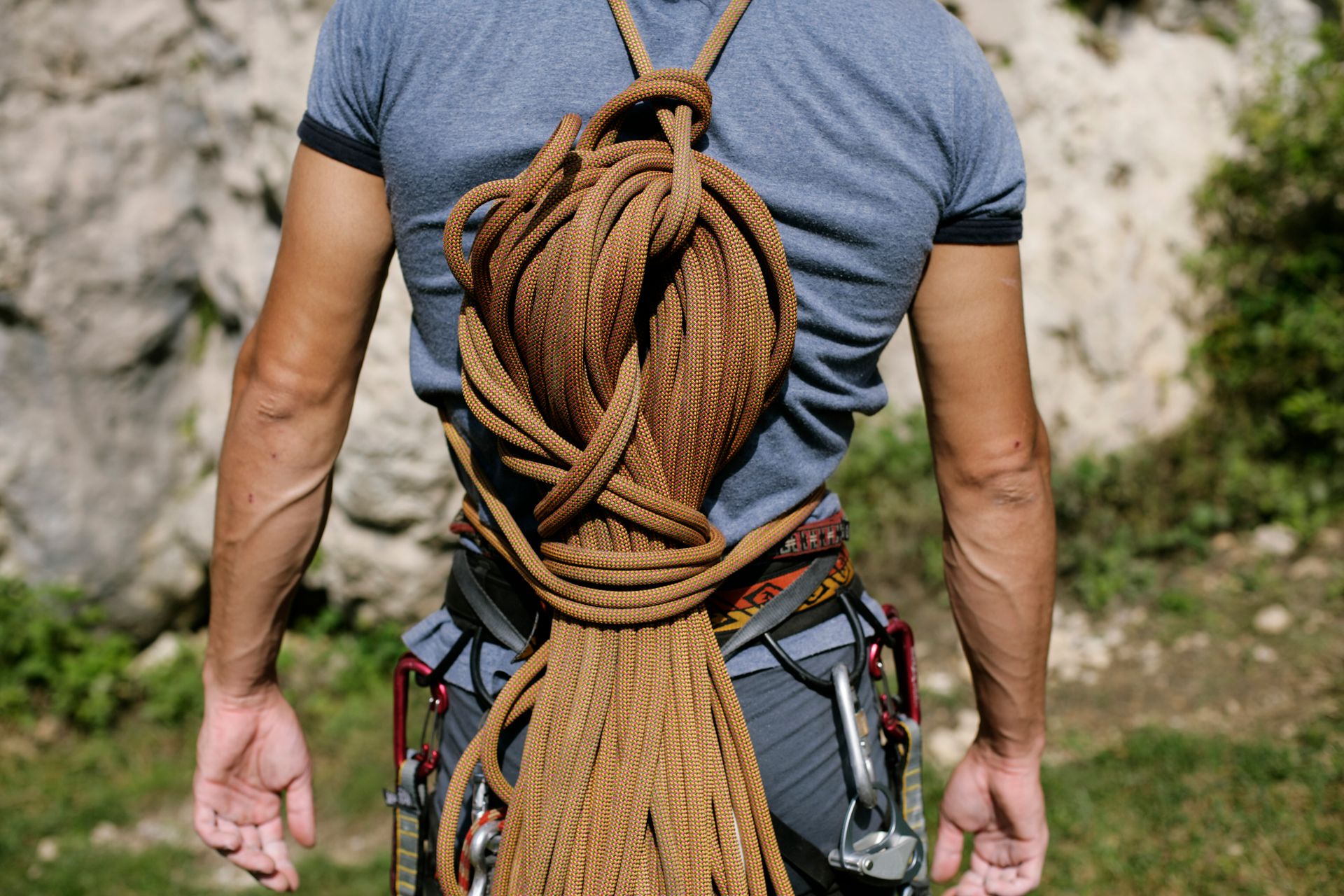
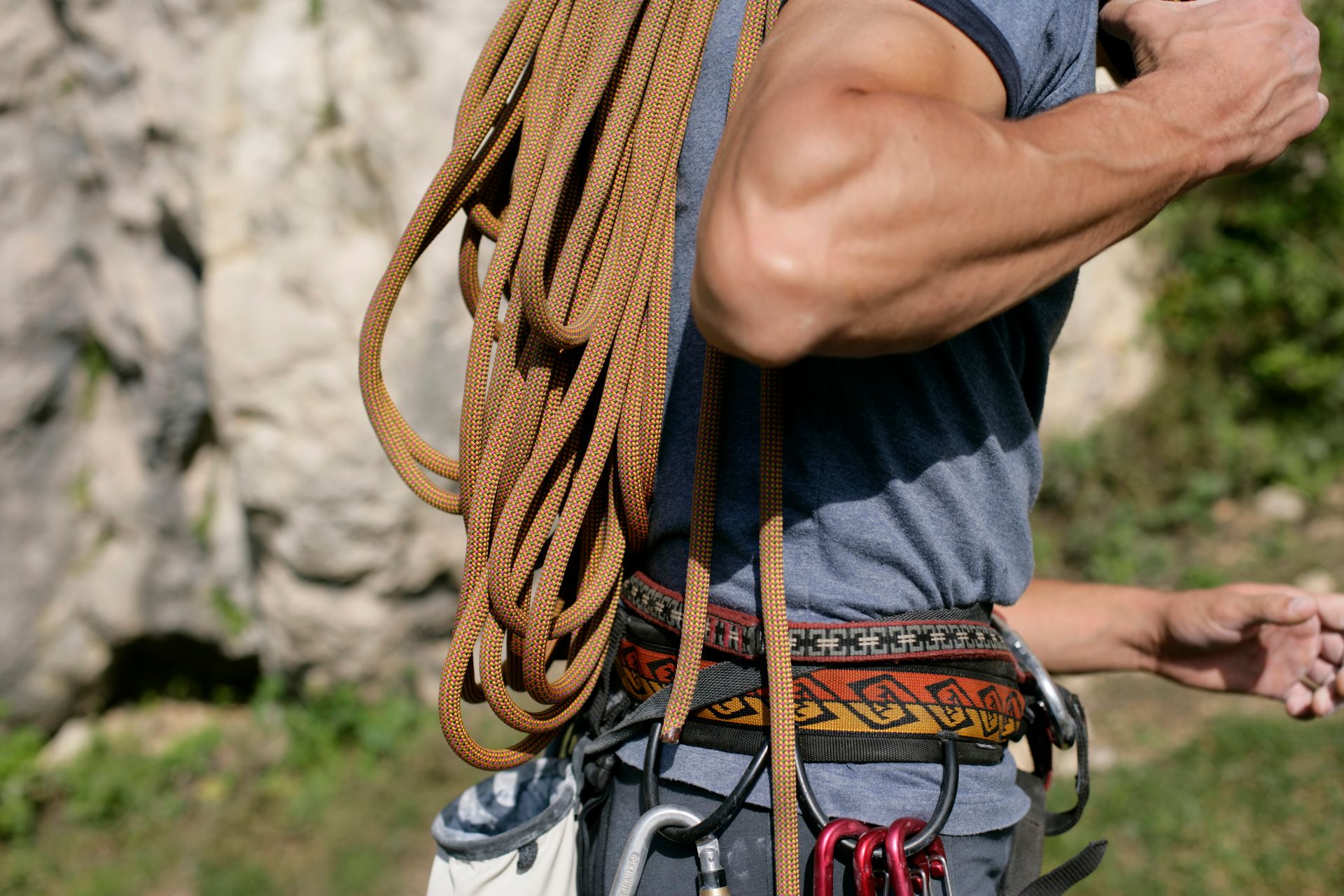
This day is dedicated to acclimatization and learning. After a relaxed morning, you hike up a nearby ridge for altitude adjustment, with panoramic views of Mera Peak and surrounding mountains. In the afternoon, your guide provides climbing training: how to walk with crampons, use an ice axe, handle ropes, and move safely on glaciers. This preparation builds your confidence for summit day. The rest of the day is for rest and mental focus.
- 10
Ascending from khare to Mera High Camp
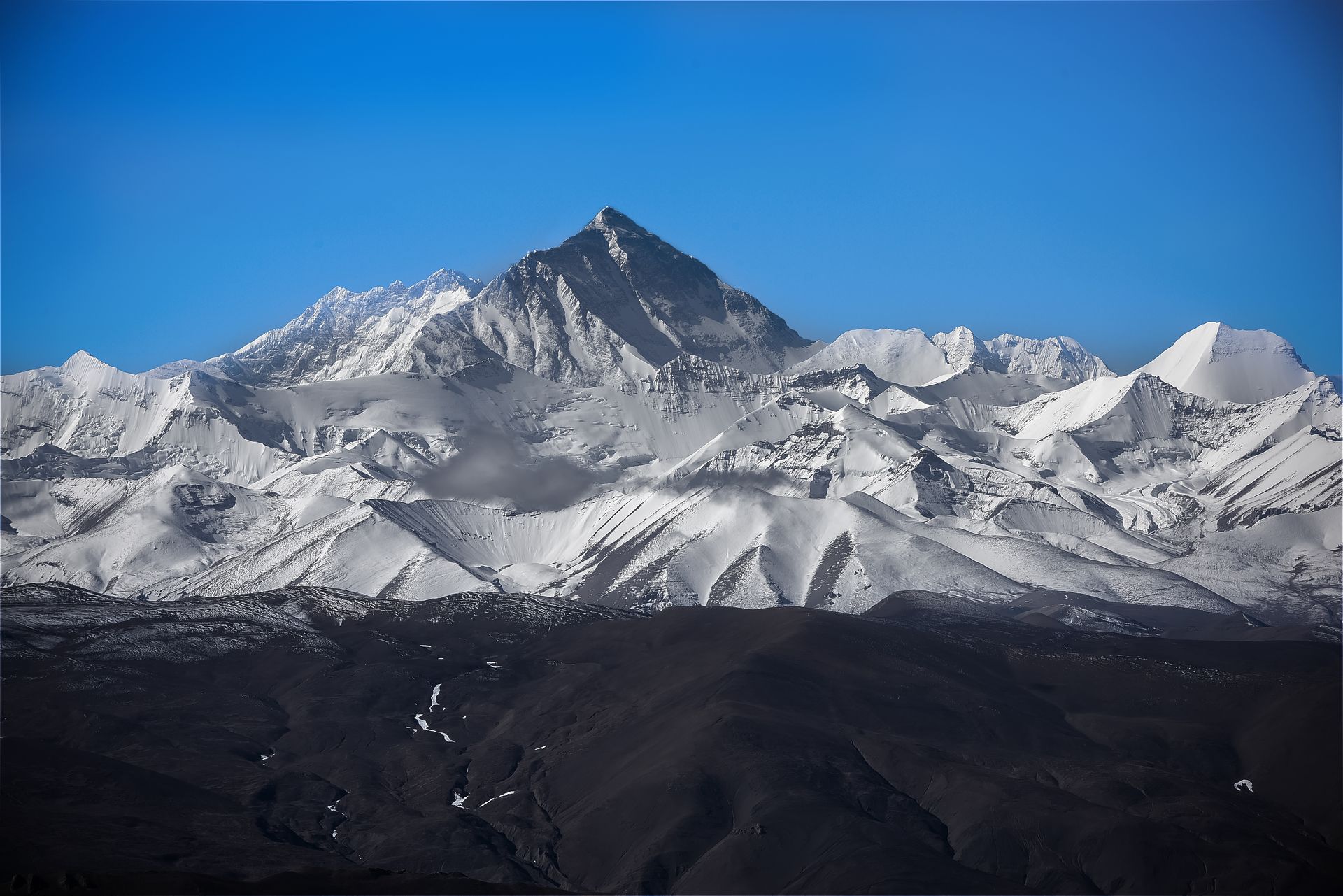
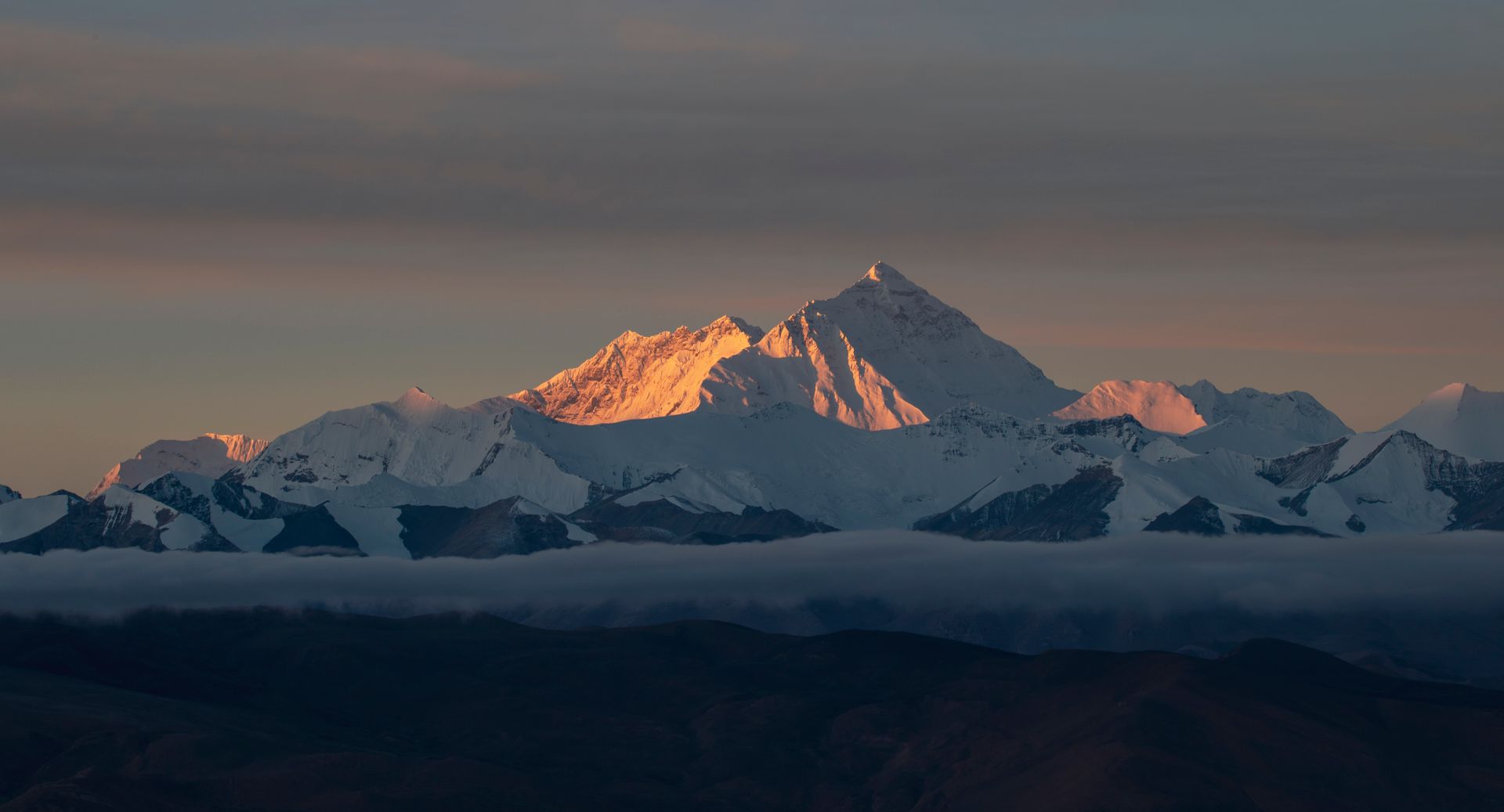
A tough but rewarding day. You leave Khare and climb onto the Mera Glacier, roped together with your team for safety. The icy slopes glisten in the sunlight as you ascend steadily toward High Camp. Perched on a rocky outcrop, Mera High Camp offers one of the best viewpoints in the Himalayas with Everest, Makalu, Cho Oyu, Lhotse, and Kanchenjunga rising in the distance. The night is cold but filled with anticipation.
- 11
Summit Mera Peak and Descend to Khare
This is the most important day of your journey. You start before dawn, climbing gently up snowy slopes with the glow of headlamps lighting the way. As the sun rises, golden light touches Everest and Makalu, creating one of the most beautiful mountain sunrises you’ll ever witness. Step by step, you push higher until you stand on the summit of Mera Peak (6,476 m), the highest trekking peak in Nepal. From the top, you gaze across five 8,000-meter giants. After celebrations and photographs, you descend carefully to Khare, exhausted but triumphant.
- 12
Contingency / Reserve Day
A spare day kept in case of poor weather, delays, or the need for a second summit attempt. If everything goes as planned, you can use it as a well-deserved rest day in Khare or enjoy a relaxed hike.
- 13
Trek from Khare to Kothe
You descend through rocky trails back toward Kothe, retracing your steps along the Hinku Valley. The air feels thicker and warmer, and the forests welcome you back with their greenery. This day allows your body to relax after the summit push.
- 14
Ascend from Kothe to Thuli Kharka
The trail climbs steeply through forests of rhododendron and alpine shrubs. Eventually, you arrive at Thuli Kharka, a high pasture offering wide views of the surrounding valleys. At night, the sky fills with stars in perfect clarity.
- 15
Flight from Lukla to Kathmandu
A short and thrilling mountain flight returns you to Kathmandu. The afternoon is free for rest, souvenir shopping, or café hopping in Thamel. In the evening, enjoy a farewell dinner with your climbing team.
- 16
Trek from Thuli Kharka to Lukla via Zatrwa La Pass
Your final trekking day. You cross the challenging Zatrwa La Pass, decorated with prayer flags and sweeping views of the Himalayan range. From the pass, descend into warmer valleys until you reach Lukla, where the trek ends. In the evening, celebrate your successful climb with your team.
- 17
Buffer Day in Kathmandu
A day reserved for possible Lukla flight delays, which are common due to weather. If unused, you can enjoy sightseeing in Kathmandu, Boudhanath, Swayambhu, or Bhaktapur or simply relax at your hotel.
- 18
Final Departure
After breakfast, our team transfers you to Tribhuvan International Airport for your onward journey. As you leave, Nepal bids farewell with the blessing of the Himalayas and the memory of standing atop Mera Peak. Thank you for choosing Real Himalaya. For any queries, contact us at +977 985-1026840 www.realhimalaya.com Speak to an Expert Gokul Thapa +977-9851026840 View Dossier Online