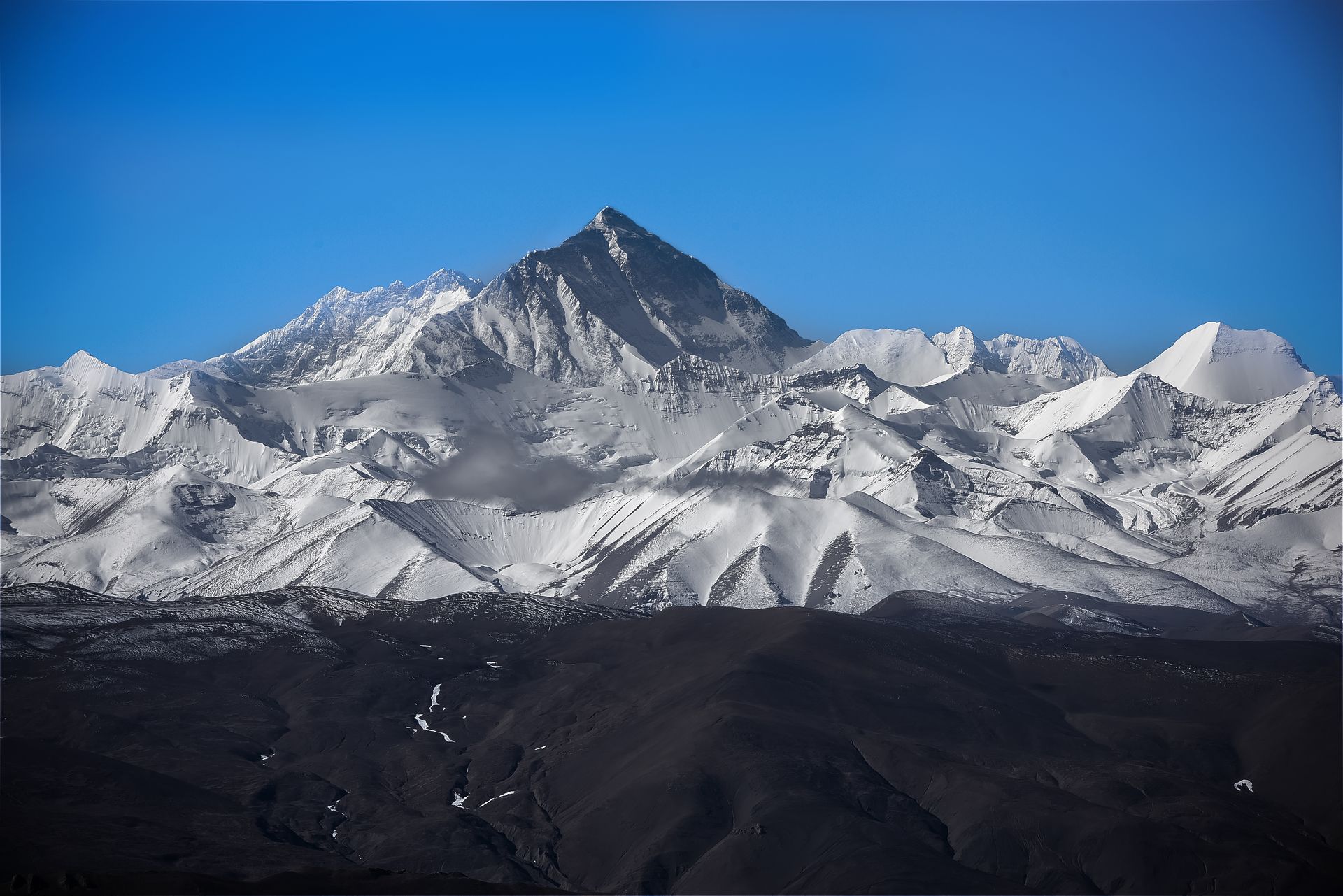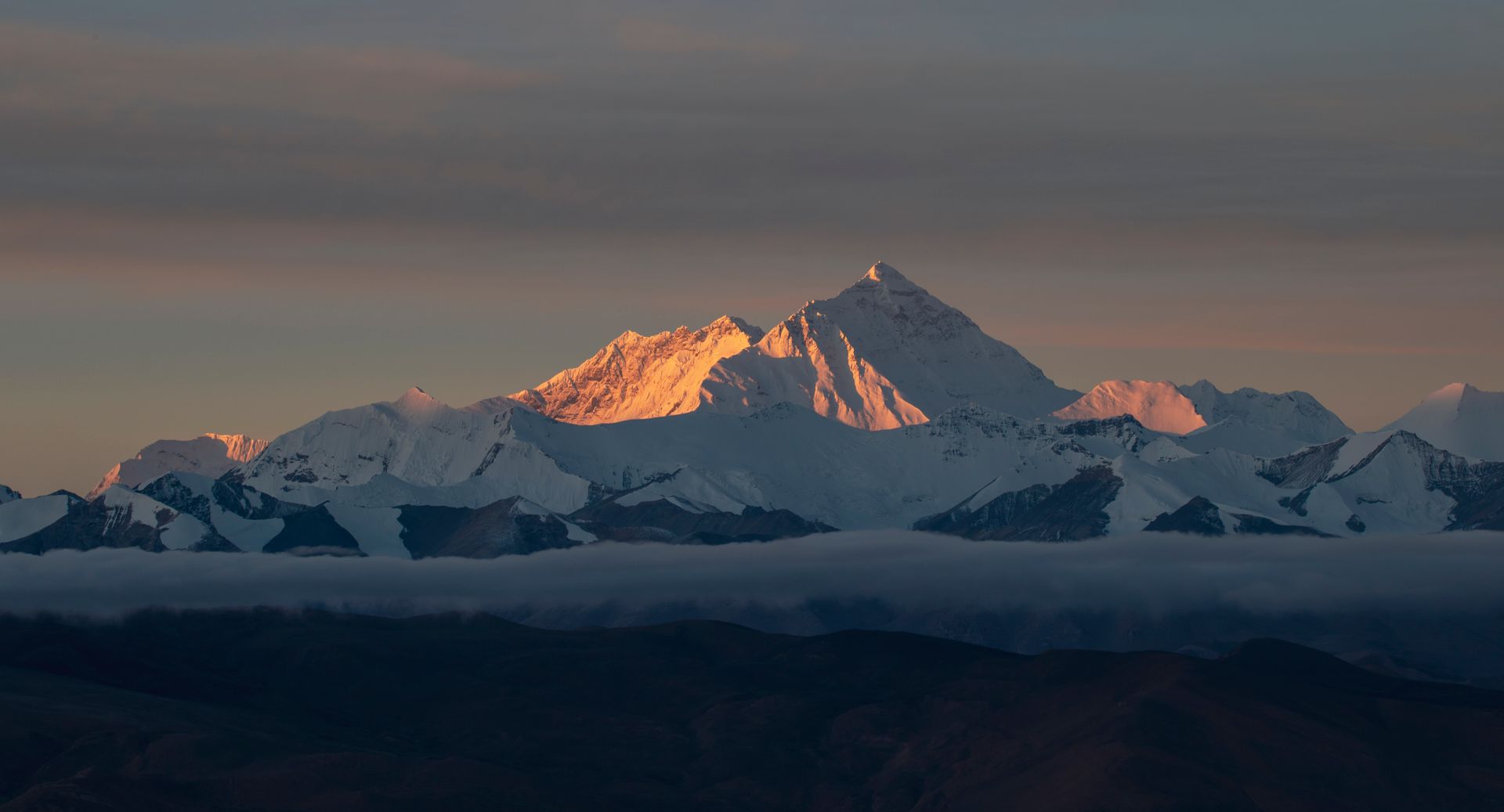
Mount Everest Expedition
Trip overview
Mount Everest Expedition, in full
Mount Everest Expedition itinerary, cost, map, permits, altitude, difficulty, best time, route details and complete trekking guide with Real Himalaya.
Your trip at a glance
- Destination
- Everest Region
- Duration
- 60 days
- Difficulty
- Challenging
- Max elevation
- 8848 m
- Group size
- 1-16 people
- Activities
- Scenic Flight, Driving and Trekking
Day by day
Detailed itinerary
- 1
Arrival in Tribhuvan International Airport
Namaste and welcome to Nepal ! Upon landing at Tribhuvan International Airport, our team greets you warmly and transfers you to your hotel in Thamel, the buzzing travelers’ hub of the capital. The streets are alive with shops selling prayer flags, trekking gear, and Himalayan handicrafts. In the evening, join a traditional welcome dinner with Nepali music and dance, where you meet your climbing team. Tonight marks the beginning of your dream to stand on the roof of the world.
- 2
Preparation & Briefings in Kathmandu
These days are set aside for final preparations. Expedition leaders check every piece of your gear from boots and harnesses to oxygen masks and sleeping bags. You’ll also complete official government briefings at the Ministry of Tourism, where your climbing permits are issued. Spare time allows you to explore Kathmandu’s UNESCO World Heritage sites such as Swayambhunath, Pashupatinath, or Boudhanath. In the evenings, your guide briefs you on strategies, acclimatization, and the importance of patience during the expedition.
- 3
Fly to Lukla and Trek to Phakding
A thrilling mountain flight carries you to Lukla, where the tiny runway clings to the side of a mountain. After breakfast in a teahouse, you begin walking along stone trails lined with prayer wheels. The path descends gently through pine forests and crosses suspension bridges strung with colorful prayer flags. Passing small Sherpa hamlets, you arrive at Phakding, a riverside village on the Dudh Koshi. The sound of the river becomes your lullaby for the night.
- 4
test
tes
- 5
Ascend to Namche Bazar via Phakding
Today the trail climbs gradually, following the roaring Dudh Koshi River. You cross the famous Hillary Suspension Bridge, one of the highest in the region, before the path steepens toward Namche. The air feels cooler as you climb through pine and juniper forests. Finally, the amphitheater-shaped town of Namche Bazaar greets you, nestled into the hillside, alive with markets, bakeries, and trekkers from all over the world.
- 6
Acclimatization in Namche
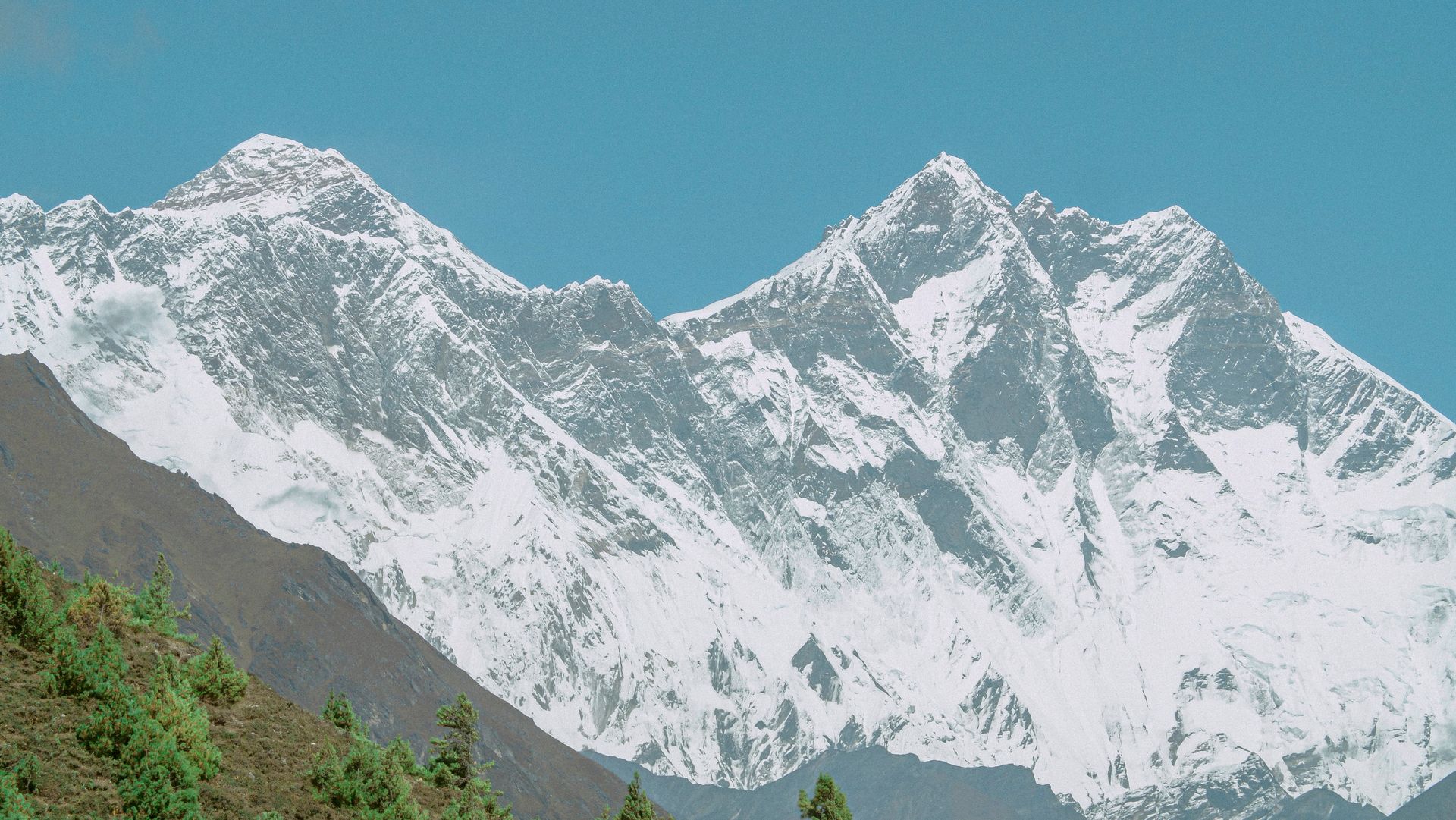
Rest is essential here, but “rest” in the Khumbu means active acclimatization. In the morning, you hike up to the Everest View Hotel (3,880 m), where, on a clear day, Everest, Lhotse, and Ama Dablam shine together. You descend for lunch in Namche, perhaps sampling yak cheese or Tibetan bread. In the afternoon, you may visit the Sherpa Museum or stroll around the bustling market. The extra night here helps your body adapt to the thinner air.
- 7
From Namche, Trek to Tenboche
The trail to Tengboche is one of the most scenic in the Everest region. You walk along a ridge with continuous views of Everest, Nuptse, Lhotse, and the iconic Ama Dablam. After descending to the river at Phunki Tenga, the trail climbs steadily through pine forests fragrant with juniper. Finally, you reach Tengboche Monastery, the largest in the region, where monks in crimson robes chant evening prayers as the setting sun paints Ama Dablam golden.
- 8
Moving towards Dingboche from Tengboche
Descending through forests alive with rhododendrons, you pass Pangboche, the highest year-round settlement in the valley. From here, the trees thin and the landscape becomes alpine, wide valleys, stone walls, and grazing yaks. You reach Dingboche, surrounded by fields protected by stone fences, where barley and potatoes grow despite the harsh altitude. The night sky here glitters with a canopy of stars.
- 9
Acclimatization/Buffer Day in Dingboche
Another rest day to aid acclimatization. A hike up Nangkartshang Peak (5,083 m) offers breathtaking views of Makalu, Cho Oyu, and Island Peak. You return to Dingboche for a relaxed afternoon, sipping tea and sharing stories with fellow climbers. The goal is to let your body adapt before pushing higher.
- 10
From Lobuche, Ascending towards Gorak Shep (5,170 m) and Continue to Base Camp
The trail follows the Khumbu Glacier, a landscape of ice ridges and boulders. After reaching Gorakshep, a short hike leads you to Everest Base Camp (EBC). Here, a colorful village of expedition tents sprawls across the ice, with the Khumbu Icefall towering above like frozen waves. This will be your home for the next 6–7 weeks.
- 11
Trekking towards Lobuche via Dingboche
You leave behind the last fields of Dingboche and ascend toward Thukla Pass. Here stands a haunting memorial ground, with cairns dedicated to climbers who lost their lives on Everest. The silence here is profound. Continuing along the lateral moraine of the Khumbu Glacier, you finally arrive at Lobuche, where the icy winds remind you of the heights ahead.
- 12
Rest & Puja Ceremony
Acclimatization begins at Base Camp. Sherpa guides organize the sacred Puja Ceremony, where lamas chant prayers and bless climbers’ equipment, asking the mountain gods for safe passage. This ritual is deeply respected by all who attempt Everest.
- 13
Acclimatization Rotations
For the next two weeks, you climb up and down the mountain to acclimatize: ● Camp I (6,065 m): Reached by navigating the dangerous Khumbu Icefall, with its crevasses, seracs, and ladders. ● Camp II (6,400 m): Advanced Base Camp, in the vast Western Cwm, a valley of snow and ice flanked by Everest and Lhotse. ● Camp III (7,200 m): On the vertical Lhotse Face, climbed using fixed ropes and crampons. You sleep one night at each camp before descending back to Base Camp. This “climb high, sleep low” routine helps your body adapt to extreme altitude.
- 14
Rest at Base Camp & Weather Monitoring
Patience is the key. Winds at the summit can reach jet-stream force. Meteorologists study forecasts, waiting for a short summit window when conditions align. Days are spent resting, hydrating, and preparing mentally.
- 15
Final Departure
After a final breakfast, you are transferred to Tribhuvan International Airport. As your plane lifts above the Kathmandu Valley, you look back at the Himalayas one last time carrying the memory of standing on the world’s highest summit.
- 16
Climb to Camp II
You cross the Icefall once again, climbing to Advanced Base Camp. The rhythm of the climb feels more familiar now.
- 17
Move to Camp III
The ascent of the steep Lhotse Face begins. Using fixed ropes, you kick steps into blue ice, reaching narrow ledges where tents perch precariously. Oxygen use begins here for many climbers.
- 18
Move to Camp IV also known as South Col
The route climbs through the Yellow Band and Geneva Spur before reaching the windswept South Col. This is the staging point for summit attempts, a barren saddle between Everest and Lhotse. Oxygen cylinders hiss quietly as you prepare for the climb of a lifetime.
- 19
Summit Day : Everest – Return to Camp IV
You begin around midnight, climbing by headlamp under a sky of stars. Passing the Balcony (8,400 m), you ascend to the South Summit (8,750 m), where dawn breaks over the Himalayas. The final ridge leads to the Hillary Step and then the true summit of Mount Everest (8,848.86 m). From the top of the world, the horizon curves, showing Tibet, Nepal, and a panorama of endless peaks. After a brief celebration, you descend carefully to Camp IV.
- 20
Descend to Camp II
Leaving the Death Zone, you descend quickly, lungs grateful for thicker air.
- 21
Descend to Base Camp
Crossing the Icefall one final time, you return to Base Camp, where teammates and Sherpas celebrate your achievement.
- 22
Trek Back to Lukla
Retrace your steps through Lobuche, Dingboche, Tengboche, and Namche. Villages that once felt remote now feel warm and alive, and the faces of locals beam with congratulations.
- 23
Flight from Lukla to Kathmandu
The mountain flight returns you to Kathmandu. The comfort of a hot shower, soft bed, and city life feels like luxury after weeks of cold tents.
- 24
Contingency Days
Kept in case of weather delays at Lukla or during summit rotations. These days also provide recovery time in Kathmandu before departure. Thank you for choosing Real Himalaya. For any queries, contact us at +977 985-1026840 www.realhimalaya.com Speak to an Expert Gokul Thapa +977-9851026840 View Dossier Online