Mount Pumori Expedition
Trip overview
Mount Pumori Expedition, in full
Mount Pumori Expedition itinerary, cost, map, permits, altitude, difficulty, best time, route details and complete trekking guide with Real Himalaya.
Your trip at a glance
- Destination
- Everest Region
- Duration
- 35 days
- Difficulty
- Challenging
- Max elevation
- 7161 m
- Group size
- 10-20 people
- Activities
- Scenic Flight, Driving and Trekking
Day by day
Detailed itinerary
- 1
Arrival in Kathmandu at Tribhuvan International Airport
Namaste and welcome to Nepal! As your plane descends over the Kathmandu Valley, golden rooftops of temples and clusters of prayer flags greet you. At the airport, our team receives you warmly and transfers you to your hotel in Thamel. The city hums with life, rickshaws ring their bells, incense drifts in the alleys, and chants echo from ancient shrines. Tonight, as you rest, dreams of Pumori rise in your mind like a promise.
- 2
Briefing & Preparation of Expedition in Kathmandu
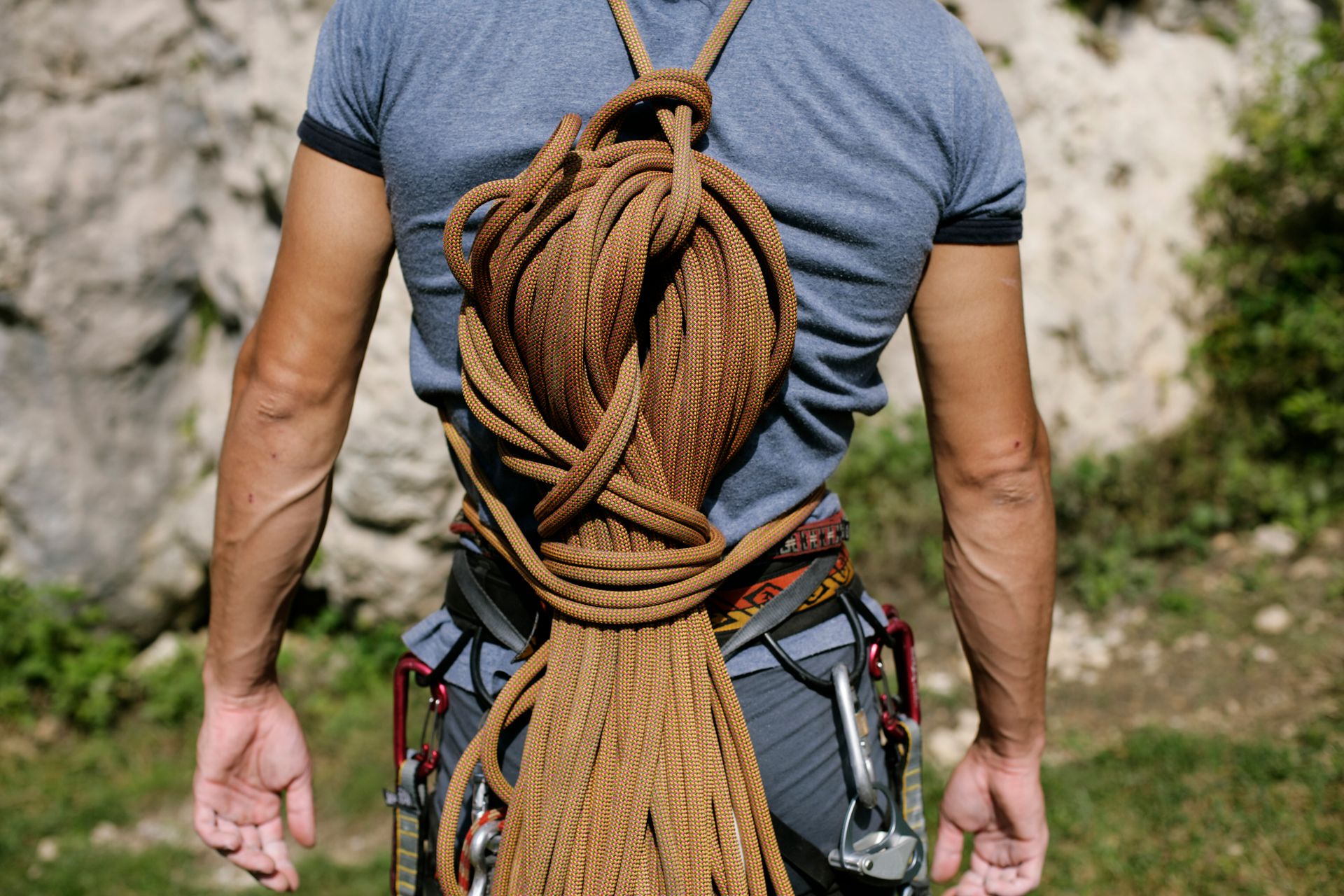
Today begins with official meetings at the Ministry of Tourism, where climbing permits are issued. Gear checks are carried out thoroughly, ensuring every rope, crampon, and layer is expedition-ready. Spare time invites you to visit heritage landmarks such as Swayambhunath or Boudhanath, where faith and culture prepare your spirit. In the evening, the team gathers for a briefing, a first step in uniting climbers and Sherpa guides into one family.
- 3
Final Preparations
A final day in the capital allows you to purchase missing items in Thamel’s markets from down gloves to prayer flags for Base Camp. A refresher session on knots and climbing techniques is offered by your guide. Over dinner, the excitement grows, for tomorrow you leave the city’s hum behind and step into the Khumbu Valley.
- 4
Fly to Lukla and Trek to Phakding
At dawn, you board a mountain flight to Lukla, the tiny airstrip clinging to a mountainside. The short but thrilling landing fills your heart with adrenaline. From here, your trek begins through pine forests, crossing swaying suspension bridges strung with prayer flags. A gentle trail leads you to Phakding, a riverside village where the Dudh Koshi sings all night long.
- 5
Ascending from Lukla to Phakding
The path follows the roaring Dudh Koshi, climbing steadily toward the famous Hillary Bridge, where prayer flags dance above the rushing river. The air grows cooler and thinner as you ascend into Namche Bazaar, the Sherpa capital. Houses cluster in an amphitheater of mountains, markets buzz with trade, and bakeries offer warm treats to weary trekkers. From ridges above town, you glimpse Everest and Pumori for the first time.
- 6
Acclimatization in Namche Bazaar
A rest day, but not idle. You hike to the Everest View Hotel (3,880 m), where Everest, Lhotse, and Ama Dablam shine together. You may continue to Khumjung, home of Hillary’s school and a monastery said to hold a relic of the yeti. Returning to Namche, you explore the vibrant market or relax in a café. These active pauses help your body adjust to the thinning air while your heart absorbs Sherpa culture.
- 7
Moving towards Tengboche
The trail rolls gently with sweeping panoramas of Everest, Nuptse, and Ama Dablam. Descending to the river, you climb again through forests of rhododendron and juniper. Finally, you reach Tengboche Monastery, the spiritual heart of the Khumbu. The chants of monks fill the golden halls, while Ama Dablam glows behind the rooftops. A short descent leads you to Debuche, a quieter village beneath whispering pines.
- 8
Trek From Tengboche to Dingboche
The trail ascends past Pangboche, one of the oldest Sherpa villages. You pass mani walls and prayer stones before reaching open valleys, where fields are guarded by stone walls against the mountain winds. By evening, you arrive at Dingboche, a highland settlement with stunning views of Ama Dablam and Island Peak. Yaks graze in the fields, and the vast Imja Valley stretches before you.
- 9
Acclimatization in Dingboche
Another pause to strengthen lungs and legs. A side hike to Nangkartshang Peak (5,083 m) unveils Makalu, Cho Oyu, and Island Peak gleaming in the horizon. Returning to Dingboche, you rest with warm meals and tea. The extra night ensures your body adapts before higher climbs, a vital step in mountaineering discipline.
- 10
From Dingboche, Trek to Lobuche
You ascend steadily toward Thukla Pass, where memorial cairns honor climbers who lost their lives in these mountains. The sight is humbling, a silent reminder of respect and caution. The trail then follows the moraine of the Khumbu Glacier, leading to Lobuche, a cold, windswept village where peaks loom close.
- 11
Ascending to Gorakshep to Lobuche
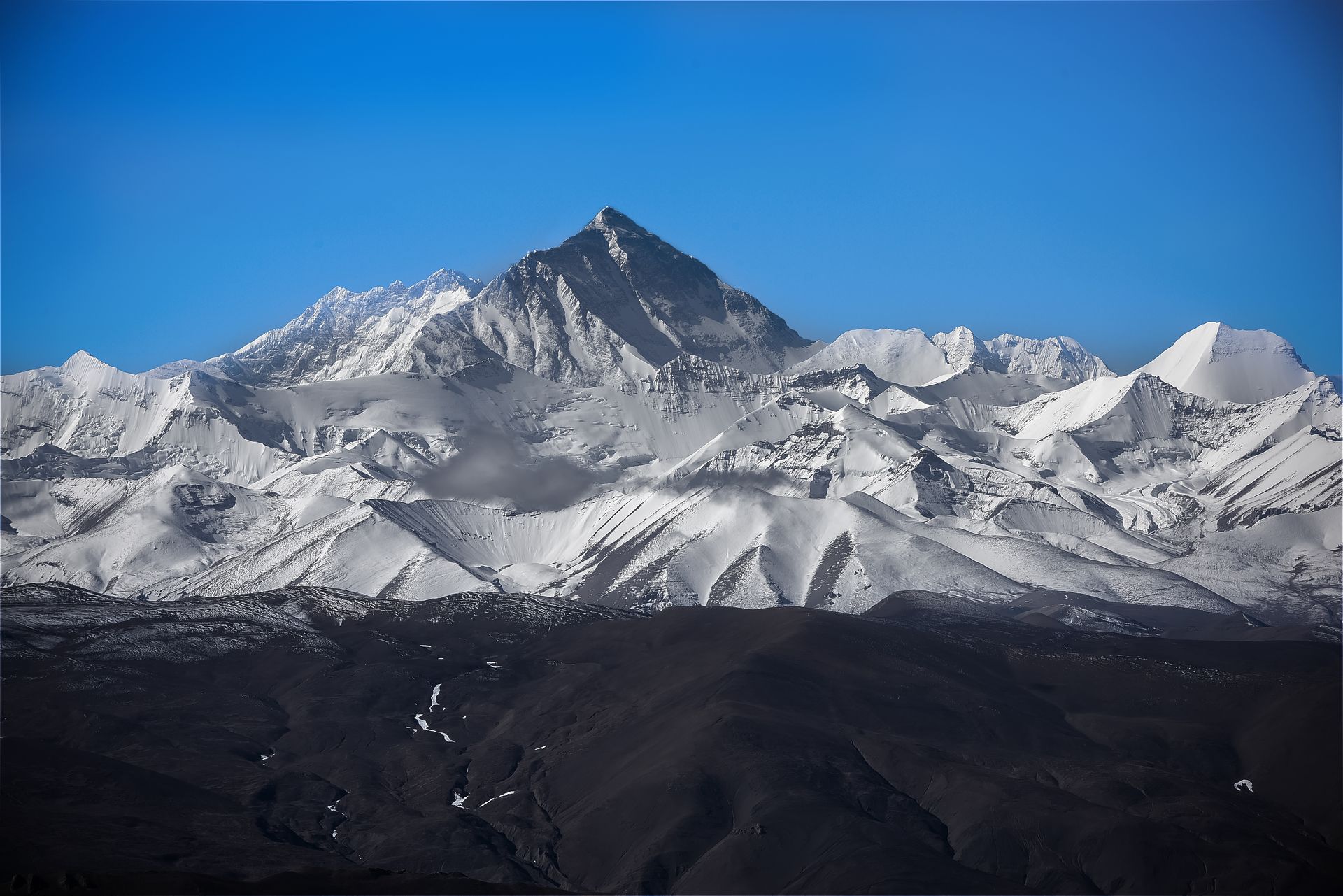
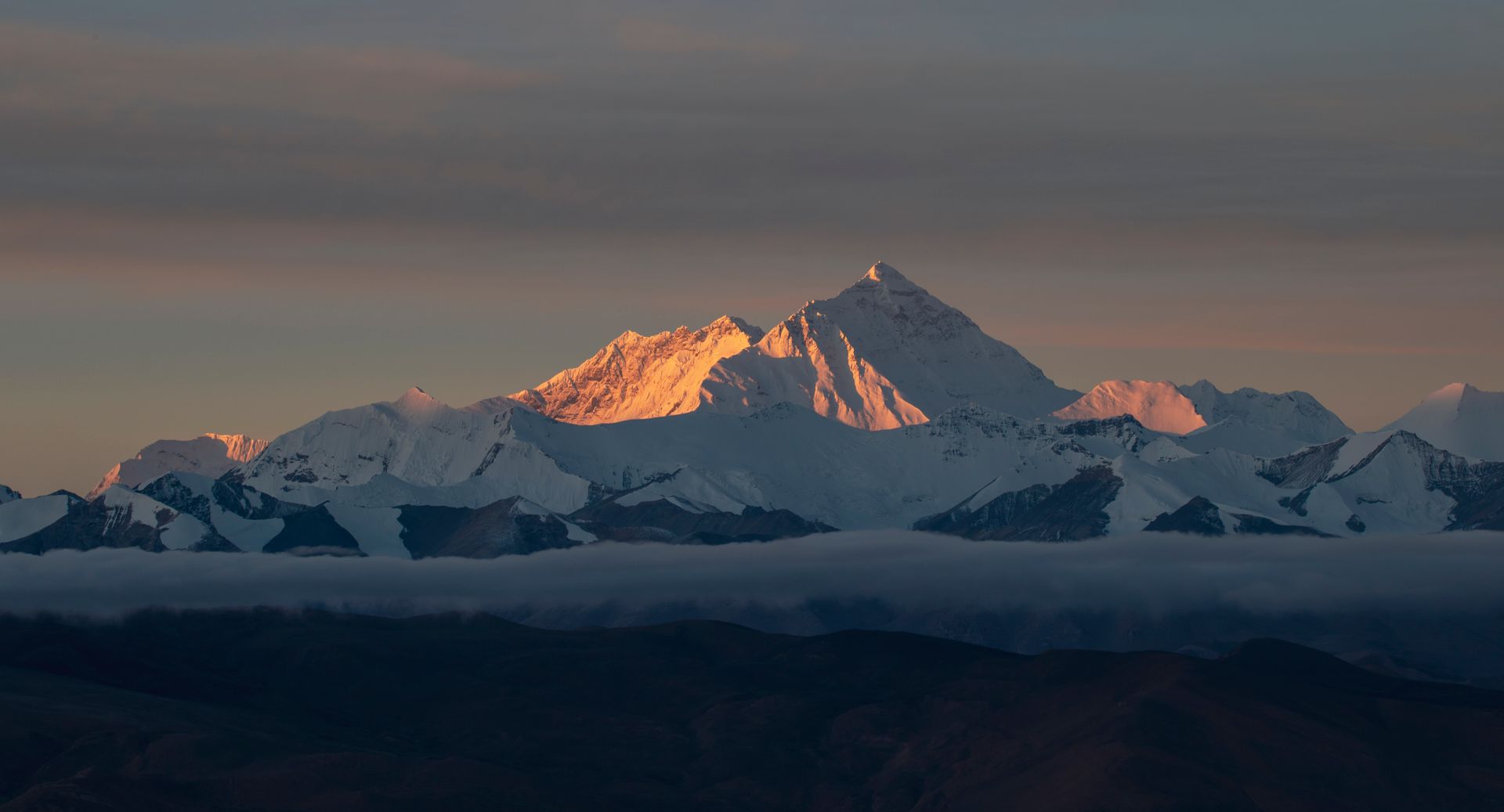
The trail winds over glacial moraine and rocky paths, the air crisp and thin. By midday, you arrive at Gorakshep, the last settlement before Base Camp. Surrounded by icy ridges, Gorakshep lies beneath the pyramid of Pumori, your objective now towers above, sharp and commanding.
- 12
Heading towards Pumori Base Camp
A short trek takes you over moraine ridges to Pumori Base Camp, set on a glacial flat beneath the mountain’s steep face. Tents rise like a bright village of color against snow and stone. Here begins your expedition rhythm, load carries, acclimatization climbs, and preparation for the summit push. Sherpas raise prayer flags, and a Puja ceremony blesses your gear.
- 13
Climbing Period on Mount Pumori
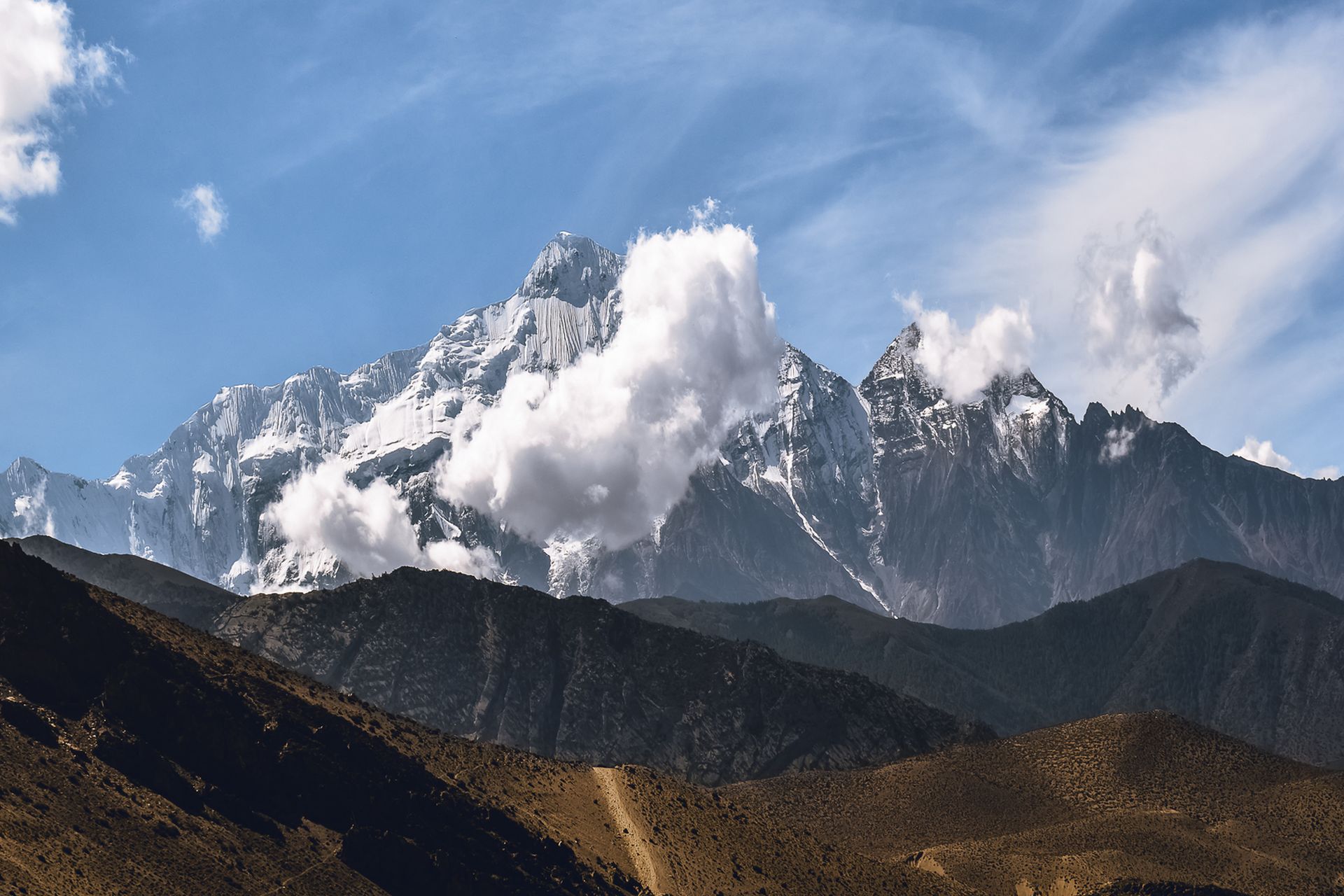
For over two weeks, you move between camps, climbing higher before returning to Base Camp for recovery. ● Camp I (5,700 m): Above steep snow and ice, reached by technical climbing. ● Camp II (6,200 m): On an exposed ridge battered by winds. ● Camp III (6,485 m): Beneath the summit ridge, reached after climbing 50–60° ice slopes. Climbing rotations strengthen your body and spirit. The summit push begins when weather offers a clear window. On summit day, you rise before dawn, following fixed ropes up steep ridges and icy walls. The climb is challenging and technical, demanding precision with every step. At last, you reach the summit of Pumori (7,161 m), a sharp pyramid peak with one of the gre
- 14
Descend to Pangboche from Base Camp
Leaving the icy silence of Base Camp, you descend through valleys where forests reappear and prayer flags mark villages. The air feels thicker, warmer, and every step lighter. You arrive at Pangboche, where life flows gently, and the monastery whispers prayers for safe return.
- 15
Return Back to Namche Bazar
The trail returns to Namche, now familiar but comforting after weeks in the high mountains. The markets, bakeries, and warm tea houses welcome you back. Sherpa hosts share smiles and congratulations. Here, stories of triumph echo through every corner.
- 16
Descending to Lukla from Namche Bazar
A final day of trekking brings you through pine forests, suspension bridges, and riverside paths. At last, you return to Lukla, where the circle closes. The evening is filled with laughter, songs, and heartfelt farewells to porters and Sherpas who made the climb possible.
- 17
Fly Back to the Capital
The mountain flight delivers you back to Kathmandu, where soft beds and warm showers feel like rare luxuries. The afternoon is free for exploration or souvenir shopping. In the evening, a farewell dinner with your team celebrates the end of a successful expedition.
- 18
Final Departure from Kathmandu
After breakfast, you are transferred to Tribhuvan International Airport for your onward flight. As the plane lifts over the valley, you carry more than memories, you carry the story of Pumori, the “Daughter Peak of Everest,” a mountain of elegance and challenge, etched forever in your spirit. Thank you for choosing Real Himalaya. For any queries, contact us at +977 985-1026840 www.realhimalaya.com Speak to an Expert Gokul Thapa +977-9851026840 View Dossier Online